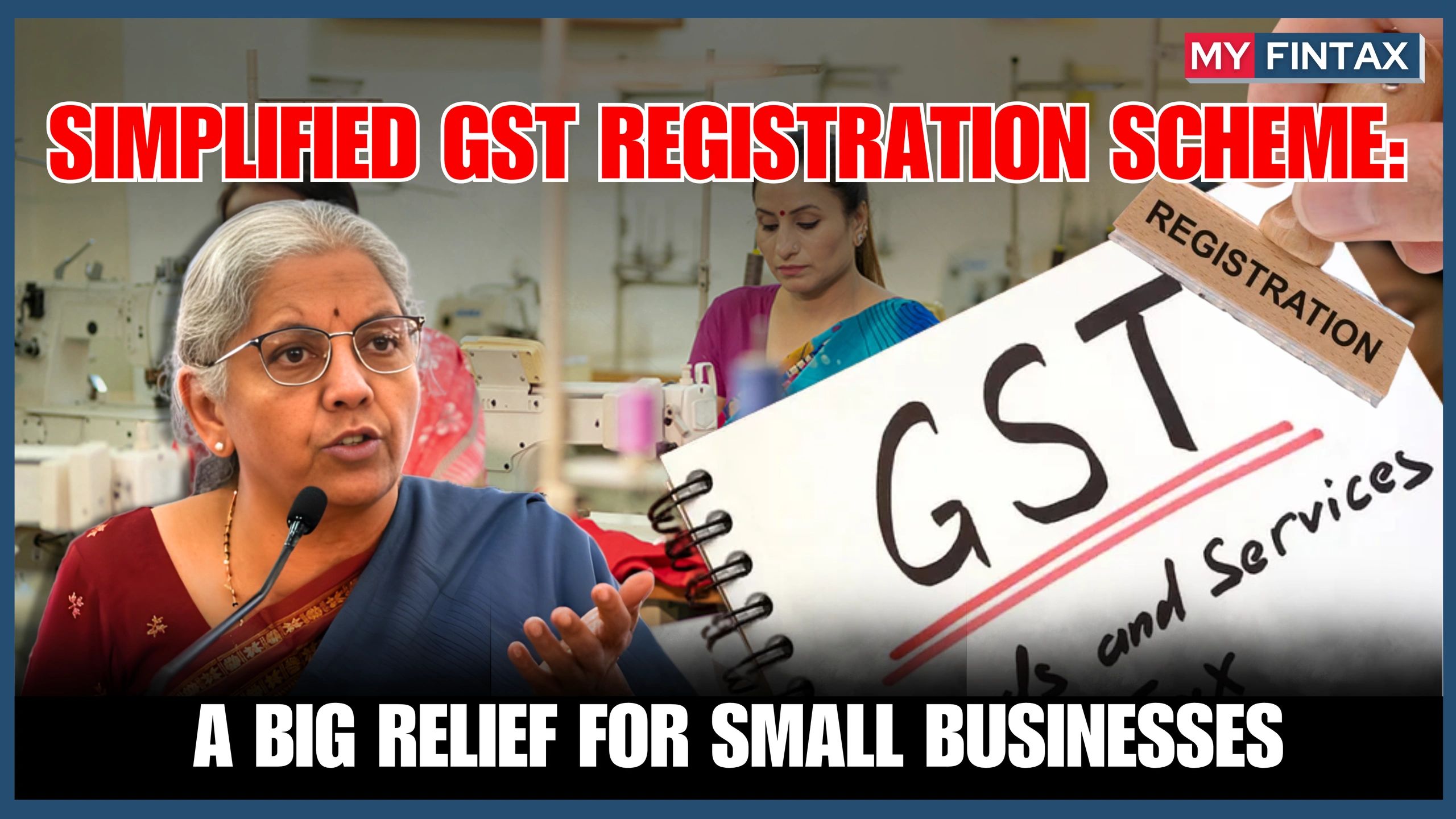
Small businesses in India could soon find GST compliance easier. From November 1, 2026, proposed GST changes aim to simplify registration, speed up refunds and help businesses manage their money more efficiently.
These changes are particularly relevant for small business owners, online sellers and companies that often face delays in receiving GST refunds.
But what exactly is changing, and how will it benefit businesses?
1. Easier GST Registration for Online Sellers
Selling products in different states can be challenging for small businesses. Setting up separate offices or business locations can increase costs and paperwork.
The proposed changes aim to make it easier for eligible online sellers to use e-commerce platform warehouses in other states, subject to specific conditions.
This could help small businesses expand their reach without the need to establish their own facilities in every state.
2. Faster GST Refunds
For many businesses, money stuck in GST refunds can create cash flow problems.
When refunds are delayed, businesses may struggle to pay suppliers, manage expenses or invest in growth.
The proposed reforms aim to speed up refund processing for eligible businesses. They also seek to reduce the time taken to issue an acknowledgement or deficiency memo from 15 days to 10 days.
Faster processing could help businesses access their eligible refunds sooner and manage their finances more effectively.
3. Relief on Unused Input Tax Credit
Another important area is Input Tax Credit (ITC).
ITC is the credit a business can claim for GST paid on eligible purchases used for business purposes.
For example, a business may pay 18% GST on certain inputs but charge only 5% GST on its final product. This can result in unused tax credit accumulating over time.
Under the proposed changes, eligible businesses may be able to claim refunds of accumulated ITC on input services in certain inverted duty structure cases.
This could help release money that would otherwise remain tied up in unused tax credits.
4. Less Paperwork, Easier Compliance
GST registration and compliance can be confusing, especially for small businesses without dedicated accounting teams.
The proposed measures aim to make procedures clearer, improve online processes and reduce unnecessary documentation.
Simpler compliance could help business owners spend less time handling tax formalities and more time running their businesses.
What Do These GST Changes Mean for Small Businesses?
If implemented as proposed, the changes could help eligible businesses in several ways:
- Expand online sales across states more easily.
- Receive eligible GST refunds sooner.
- Access refunds of accumulated ITC in specified cases.
- Reduce compliance-related difficulties.
- Manage working capital more efficiently.
Conclusion
The proposed GST changes from November 1, 2026, focus on making tax compliance easier for small businesses. From simpler procedures for eligible online sellers to improvements in refund processing, the measures could provide practical relief to businesses across India.
However, the benefits will depend on the final notifications, eligibility conditions and implementation of the respective provisions.
Small business owners should review the latest GST notifications before making decisions about registration, refunds or tax compliance.