Current position — reviewed 22 August 2026
The explanation here remains accurate. The following points reflect the current position.
Tighter data-driven verification, particularly of deduction claims, continues to lengthen processing for a subset of returns.
Processing is completed through the intimation under Section 143(1), which may be issued up to nine months from the end of the financial year in which the return was filed.
Interest on delayed refunds is allowed under the statutory provision where the conditions are met, so a delay is not always a loss.
Track the status on the e-filing portal, revalidate the bank account, and raise a refund reissue request where the credit has failed.
Why Many Taxpayers Are Still Waiting for Their Refunds and What You Can Do
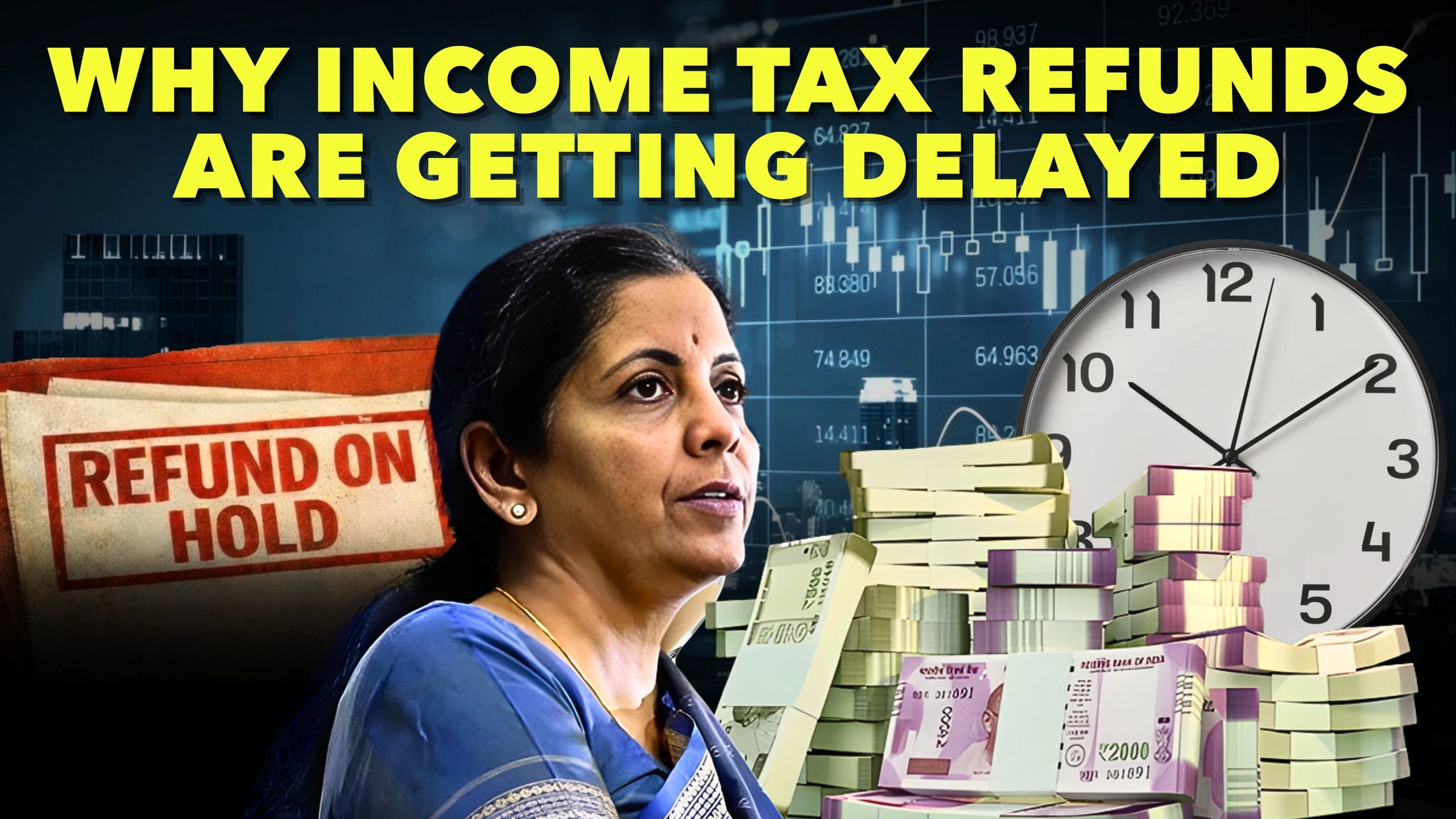
Every year, lakhs of taxpayers eagerly wait for their income tax refunds after filing their Income Tax Returns (ITR). However, in recent months, many individuals have taken to social media to complain that they have not received their refunds even four to five months after filing. According to updates, the Income Tax Department has tightened scrutiny and verification processes, which has increased the overall time taken to process refunds.
Below is a detailed explanation of why income tax refunds get delayed and how you can check and resolve your refund status.
Why Income Tax Refunds Are Getting Delayed
Income tax refunds are usually delayed when there is an issue or incomplete step in the return filing or verification process. While many taxpayers assume that filing the return is the final step, this is not true. The return must also be verified, otherwise it is treated as invalid.
1. ITR Not Verified
One of the most common reasons for refund delay is failure to verify the ITR. Even after successful filing, if verification is not completed within the prescribed time, the return is considered incomplete.
Taxpayers can verify their ITR through:
- Aadhaar OTP
- Net banking
- Electronic Verification Code (EVC)
- Sending a signed ITR-V form to the Centralised Processing Centre (CPC), Bengaluru
2. Mismatch in Return Details
If the details mentioned in the return do not match the data available with the tax department—such as income, TDS, or tax paid—the refund gets put on hold until the mismatch is resolved.
3. Outstanding Tax Demand
If there is any pending tax demand from previous assessment years, the refund may be adjusted against it or kept on hold until clarification is provided.
4. Notice Under Section 143(1)
If a notice under Section 143(1) of the Income Tax Act, 1961 is issued, the refund will not be released until the taxpayer responds or the issue is settled.
5. Incorrect or Inactive Bank Account
Refunds are credited directly to the taxpayer’s bank account. If the account details are incorrect, inactive, or not pre-validated on the portal, the refund will fail or be delayed.
How to Track Your Income Tax Refund Status
Taxpayers can easily check the status of their refund online by following these steps:
Step 1: Visit the Income Tax e-Filing website
Step 2: Log in using your PAN and password
Step 3: Go to ‘View Returns / Forms’
Step 4: Select ‘Income Tax Returns’ and choose the assessment year
Step 5: Click on the relevant ITR acknowledgment number to view the refund status
The portal will show whether the refund is:
- Issued
- Adjusted against demand
- Pending for verification
- On hold due to mismatch
What Taxpayers Should Do to Avoid Delays
- Always verify your ITR immediately after filing
- Ensure bank account is active and pre-validated
- Regularly check for notices or communications on the portal
- Match income and TDS details with Form 26AS and AIS
- Respond promptly to any demand or notice
Conclusion
Income tax refund delays are largely procedural and can often be avoided by completing verification on time and ensuring accurate details in the return. With stricter scrutiny by the tax department, taxpayers are advised to be extra cautious and proactive. Regularly checking the refund status and responding to notices can significantly reduce waiting time and ensure faster credit of refunds.
Staying informed and compliant is the key to a smooth refund process.


